There’s a quiet transformation happening in healthcare. Not the kind that makes headlines every week, but the kind you feel when you walk into a clinic and notice things just… work better. Conversations feel less rushed. Treatments seem more precise. And somewhere in between, the whole experience starts to feel less intimidating.
It’s not perfect, of course. Healthcare rarely is. But if you pay attention, there’s a noticeable shift toward something more balanced—where technology and human care aren’t competing, but working side by side.
When Technology Steps In (Without Taking Over)
For years, people imagined a future where machines would take over medicine entirely. That hasn’t happened—and honestly, it’s probably for the best. What we’re seeing instead is something more grounded.
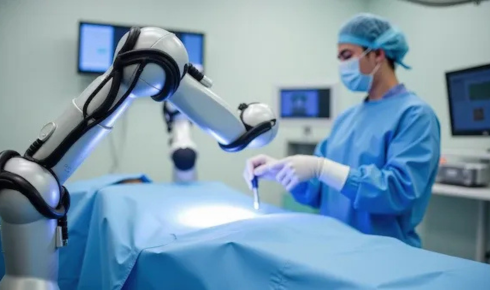
Take robotic surgery, for example. It’s often misunderstood, sometimes even feared. But in reality, it’s not about replacing surgeons. It’s about giving them better tools. Imagine trying to draw a perfect circle with your hand versus using a compass—that’s the kind of difference we’re talking about.
Surgeons use robotic systems to enhance precision, especially in complex procedures where even the slightest movement matters. Smaller incisions, reduced blood loss, quicker recovery—these aren’t just technical wins, they translate into real-world comfort for patients.
Still, the human element remains central. Machines don’t make decisions in isolation. They assist, refine, and support. And that balance is what makes the whole thing work.
The Changing Face of Everyday Practice
If you step outside the operating room and into a regular clinic, you’ll notice changes there too. Subtle, but meaningful.
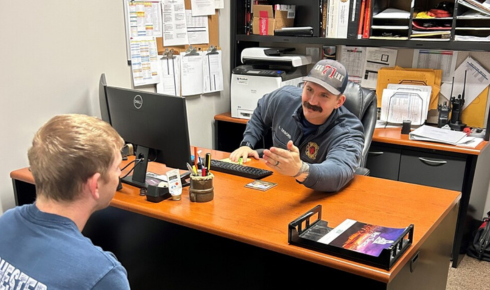
Modern physician practices are evolving in how they interact with patients. It’s not just about diagnosing symptoms anymore—it’s about understanding context. Lifestyle, stress, habits… all of it plays a role.
Doctors are asking different kinds of questions now. Not just “What hurts?” but “How are you living?” That shift might seem small, but it changes the entire approach to treatment.
There’s also a growing emphasis on accessibility. Teleconsultations, digital records, streamlined appointments—these aren’t just conveniences; they’re reshaping how people engage with healthcare. Suddenly, getting help feels less like a chore and more like something you can actually manage within your day.
And maybe that’s the point—making healthcare fit into life, instead of the other way around.
Looking Beyond the Immediate Problem
One of the more interesting developments in recent years is the focus on long-term outcomes. It’s no longer enough to treat a condition and call it a day.
Healthcare providers are thinking more about patient wellness—not just recovery, but overall well-being. That includes mental health, lifestyle adjustments, and preventive care.
It’s a broader perspective, and honestly, a more realistic one. Because healing doesn’t happen in isolation. It’s influenced by how you eat, sleep, move, and even how you feel emotionally.
You’ll see this in follow-up care too. Instead of a quick check and goodbye, there’s often a deeper conversation. What’s working? What isn’t? How can things be improved moving forward?
It’s less about ticking boxes and more about building a sustainable path to health.
The Human Side Still Matters Most
With all this talk of technology and systems, it’s easy to forget the most important part—people.
At the end of the day, healthcare is still a deeply human experience. You’re dealing with uncertainty, vulnerability, sometimes fear. And no amount of advanced equipment can replace the comfort of being understood.
That’s why communication matters so much. A doctor who explains things clearly. A nurse who takes an extra moment. Even the front desk staff who greet you without making you feel like just another number.
These interactions might seem minor, but they shape how patients experience care. And often, they’re what people remember long after the treatment is over.
Finding the Right Balance
If there’s one takeaway from all this, it’s that modern healthcare isn’t about choosing between technology and human touch. It’s about finding the right balance.
Too much focus on systems, and you risk losing empathy. Too much reliance on instinct, and you might miss out on precision. The sweet spot lies somewhere in between.
For patients, this means asking the right questions. Understanding your options. Choosing providers who not only have the expertise but also take the time to connect.
Because good healthcare isn’t just about outcomes—it’s about how you get there.
A Quiet, Ongoing Evolution
What’s fascinating is how gradual this evolution has been. No single breakthrough, no dramatic turning point. Just steady progress—better tools, improved communication, a deeper understanding of what patients actually need.
And maybe that’s why it feels more real. Less like a revolution, more like a natural step forward.
Healthcare today is still complex. Still imperfect. But it’s also more thoughtful, more responsive, and—at its best—more human than it’s ever been.
And that, in its own quiet way, is something worth noticing.