Caring for a loved one is deeply meaningful, but it can also be physically and emotionally demanding in ways that are often underestimated. Over time, continuous caregiving without proper support can lead to burnout; a state of exhaustion that affects not just the caregiver’s health, but also the quality of care being provided. What makes it more challenging is that burnout tends to build gradually, often going unnoticed until fatigue, stress, and frustration begin to take a toll. One of the most effective and practical ways to ease this burden is by integrating the right mobility aids into daily routines.
Understanding Caregiver Burnout
Caregiver burnout occurs when the ongoing demands of caregiving exceed an individual’s physical and emotional capacity to cope. Daily responsibilities such as assisting with movement, supporting basic hygiene, and managing routines can quickly become overwhelming; especially in the absence of proper tools or assistance.
Physical strain is one of the biggest contributors. Repeatedly helping someone stand, sit, or walk can put pressure on the back, knees, and shoulders, often leading to chronic pain and fatigue. Over time, even simple tasks may start to feel exhausting. Emotional stress further adds to this burden, making it essential to find solutions that not only reduce effort but also create a more sustainable caregiving environment.
How Mobility Aids Make a Difference
Modern mobility aids are designed with both the patient and caregiver in mind. They simplify physically demanding tasks, reduce the risk of injury, and allow for safer, more efficient movement.
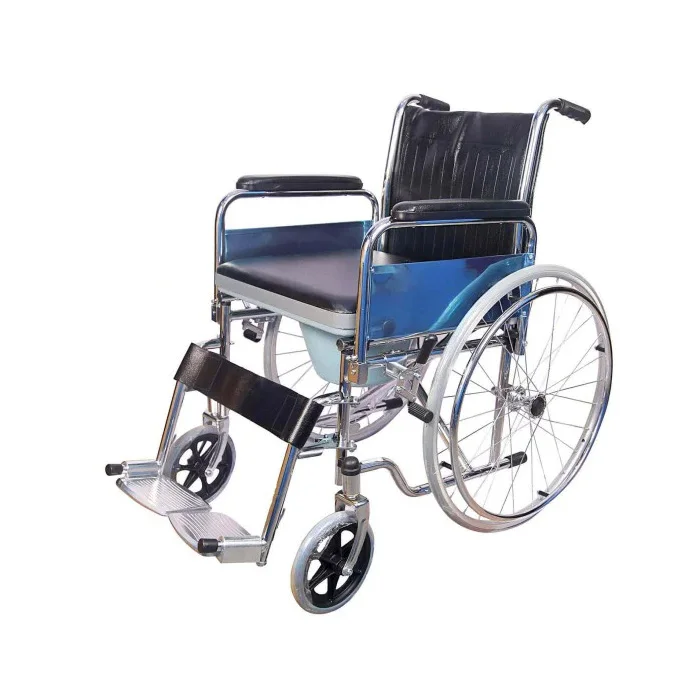
A commode wheelchair, for instance, is a highly practical solution that combines mobility with convenience. It eliminates the need for multiple transfers between a bed, wheelchair, and bathroom, significantly reducing physical strain. At the same time, it enhances the patient’s comfort and dignity by making essential activities more accessible.
Similarly, walking assistance devices such as walkers or support frames provide stability and balance. These tools enable patients to move with greater independence, which in turn reduces the level of hands-on support required from the caregiver.
Reducing Physical Strain with the Right Support
Caregivers often overlook their own physical well-being while focusing on others. However, repetitive movements and improper lifting techniques can lead to joint stress and muscle fatigue over time.
Using supportive solutions like knee support or knee braces can help minimize strain during physically demanding tasks. These supports provide stability and reduce pressure on joints, especially when assisting with lifting or prolonged standing.
In addition, compression-based orthopaedic supports play an important role in managing fatigue. By improving circulation and reducing muscle tension, they help caregivers stay active and comfortable throughout the day.
Creating a Supportive Environment
Mobility aids are most effective when used alongside a thoughtfully arranged living space. Small adjustments can make a significant difference in safety and ease of movement. Installing handrails, keeping pathways clear, and ensuring adequate lighting can help prevent falls and reduce unnecessary strain.
Encouraging patients to consistently use mobility aids also fosters a sense of independence. When individuals are able to perform certain tasks on their own, it not only boosts their confidence but also lightens the caregiver’s workload in a meaningful way.
The Link Between Mobility and Overall Health
Mobility plays a crucial role in overall well-being. When movement becomes easier and safer, patients are more likely to stay active, which supports joint health, circulation, and mental well-being.
For example, individuals experiencing joint discomfort can benefit from combining knee support with mobility aids to improve stability and reduce pain during movement. This integrated approach not only enhances physical comfort but also contributes to a better quality of life for both the patient and the caregiver.
Conclusion
Caregiving doesn’t have to come at the cost of your own health. With the right mobility aids and supportive solutions, it’s possible to create a balanced environment that prioritizes safety, comfort, and efficiency.
Vissco Next offers thoughtfully designed orthopaedic and mobility solutions that help reduce physical strain, enhance independence, and make caregiving more sustainable: so you can provide the best care possible while also taking care of yourself.